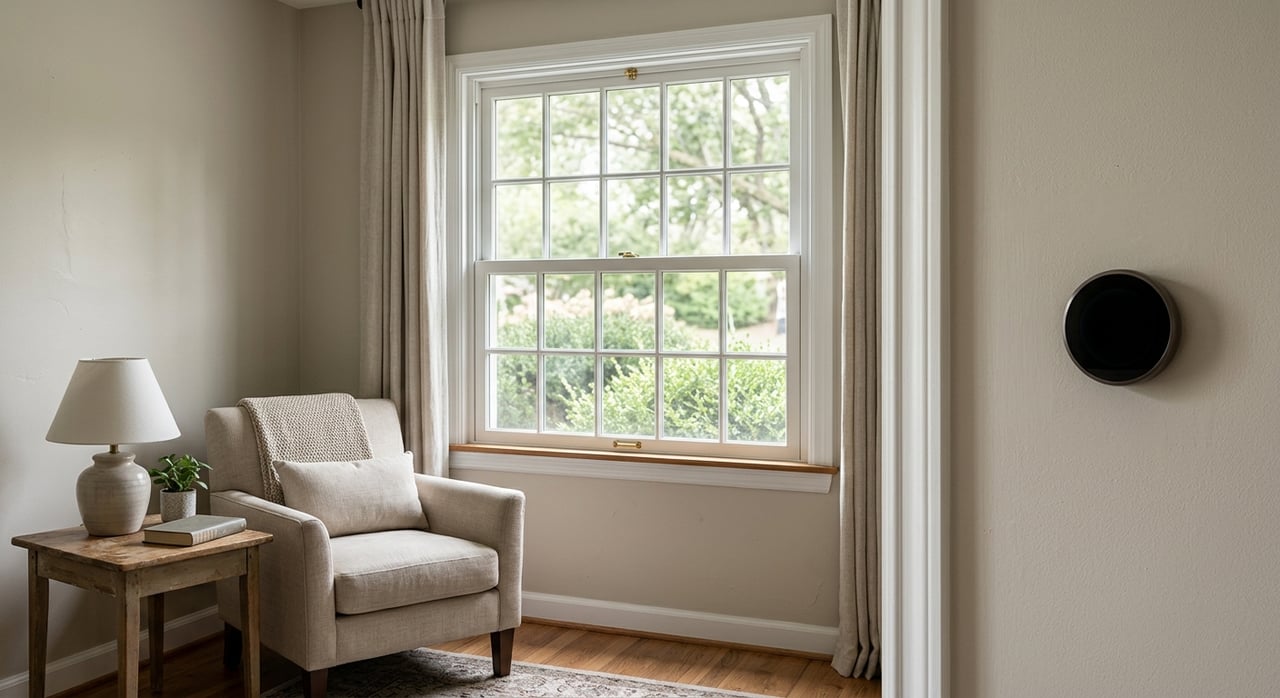
If you have ever walked into a house in January and felt a cold draft near the windows, you already know why energy-efficient upgrades matter in Akron. In this market, buyers are not just noticing granite counters or fresh paint. They are also paying attention to comfort, steady temperatures, and what utility bills may look like after move-in. If you are thinking about selling, or buying with future resale in mind, it helps to know which upgrades stand out most. Let’s dive in.
Why Akron buyers pay attention
Akron sits in a cold climate zone, and the area sees 6,306 annual heating degree days based on NOAA normals for Akron-Canton airport. That means long heating seasons, more heat loss, and more chances for buyers to notice drafts, cold rooms, and uneven temperatures.
That local reality lines up with what buyers say they care about. National Association of Realtors research found buyers place high importance on windows, doors, and siding, comfortable living space, and utility bills or operating costs. In other words, buyers are often thinking about how a home feels to live in, not just how it looks online.
For many homes in Summit County, the strongest selling point is not “green living” as a broad idea. It is simpler than that. Buyers notice a warmer house in winter, less summer heat gain, and monthly costs that feel more manageable.
Insulation and air sealing stand out fast
If you want an upgrade buyers can feel almost right away, start with insulation and air sealing. ENERGY STAR says sealing air leaks and adding insulation are among the most cost-effective ways to improve comfort and efficiency, and EPA estimates homeowners can save an average of 15% on heating and cooling costs by air sealing and insulating key areas.
In older Akron homes, the attic is often a major problem spot. But buyers also notice issues in basements, crawl spaces, rim joists, and ductwork because those weak points can lead to cold floors, drafts, and rooms that never seem to heat evenly.
This matters during showings and inspections. A home that feels consistent from room to room tends to leave a stronger impression than one with obvious hot and cold spots.
What buyers notice most
- Fewer drafts near walls, windows, and doors
- More even temperatures from one room to the next
- Less strain on the heating and cooling system
- Better comfort in upstairs bedrooms and finished lower levels
ENERGY STAR also notes that duct sealing and insulation can help solve rooms that feel too hot or too cold. For sellers, that can be especially meaningful because buyers often remember the spaces that feel uncomfortable.
Windows and doors make a visible difference
Windows are one of the easiest efficiency upgrades for buyers to spot. They are visible, easy to test, and tied directly to comfort. Buyers often stand near a window, look for condensation or drafts, and think about what that space will feel like during an Ohio winter.
ENERGY STAR says replacing old single-pane windows with ENERGY STAR certified windows can reduce household energy bills by an average of up to 13% nationwide. Just as important, the products should be selected for the local climate and installed correctly. Poor installation can reduce the benefit.
In Akron, the language that resonates most is practical. Buyers respond to features like warmer interior glass, fewer drafts, and less summer heat gain. Those details connect the upgrade to everyday life.
A note for older Akron homes
If a home was built before 1978, window replacement may involve lead-safe work practices. That is not a reason to avoid the project, but it is a reason to ask contractors clear questions before work begins.
HVAC upgrades buyers appreciate
Heating and cooling equipment matters in every market, but it has extra weight in Akron because of the long heating season. Buyers notice whether a system runs quietly, keeps temperatures steady, and appears sized and maintained for the home.
The U.S. Department of Energy says heat pumps move heat instead of generating it, which can make them an efficient alternative to furnaces and air conditioners. For colder areas where temperatures often fall below freezing, DOE recommends looking for a cold-climate label.
That said, a new system alone does not solve every comfort issue. DOE also advises homeowners replacing a gas heating system to weatherize first, since tightening the home can improve both savings and comfort.
Features buyers tend to value
- Steadier indoor temperatures
- Quieter operation
- Less frequent cycling on and off
- Multi-zone HVAC setups
- Programmable thermostat compatibility
NAHB consumer research found that buyers value multi-zone HVAC and programmable thermostats. These are the kinds of upgrades that may not photograph dramatically, but they can make a home feel more livable right away.
Smart thermostats are an easy win
Some upgrades take a lot of explanation. Smart thermostats usually do not. Buyers can quickly understand scheduling, remote control, and the ability to fine-tune comfort.
ENERGY STAR says certified smart thermostats automatically adjust heating and cooling settings and can save energy based on field data. For sellers, this can be a simple way to show a home has practical, modern features without taking on a major renovation.
Utility programs may also help with cost. FirstEnergy’s Ohio utilities currently list a smart thermostat rebate program, plus a no-cost option for some income-eligible customers, though funding and terms can change. Enbridge Gas Ohio’s Akron-area savings guidance also highlights programmable or smart thermostats, air sealing, and attic insulation.
The best order for upgrades
If you are deciding where to spend money before listing, or you are buying a home and planning future projects, the order matters. A sensible path is usually to assess the home first, tighten the building shell next, and then choose equipment.
DOE recommends considering a home energy assessment when planning a remodel. In practical terms, that means finding out where the home is losing heat or gaining summer heat before you spend money on the wrong fix.
A smart project sequence
- Start with a home energy assessment
- Seal air leaks around the home
- Improve attic and other key insulation areas
- Address duct leaks or poor duct insulation
- Replace windows or doors if needed
- Upgrade HVAC equipment after the shell is improved
- Add smart controls for easier comfort management
This approach can help you avoid overspending on heating and cooling equipment before the home itself is performing well.
What to ask contractors and inspectors
When you are comparing bids or reviewing inspection findings, ask simple questions that protect your investment. The goal is not to become an energy expert overnight. It is to understand what the upgrade will actually change.
Good questions to ask
- Where is the home losing the most heat?
- Which rooms show the biggest comfort problems?
- Are the proposed windows, doors, or thermostats certified for the local climate?
- Is the new equipment compatible with the existing system?
- What installation steps protect the performance of the upgrade?
- What paperwork will you leave for permits, warranties, and future buyers?
That last point matters more than many sellers realize. NAHB reports that appraisals often do not fully capture green value, and energy features are not always represented well in listings. Clear documentation can make your upgrades easier for buyers to understand later.
Documentation helps sellers stand out
If you have made energy-related improvements, keep the paperwork together. Buyers may not know the full story from a quick walkthrough, and appraisers may not always assign value clearly without supporting information.
Useful records can include invoices, model numbers, climate-zone labels, energy assessment reports, and inspection or permit sign-offs. These details can help your agent market the improvements more clearly and answer buyer questions with confidence.
For sellers in Akron, that is especially important in older homes where hidden upgrades like air sealing, insulation, and duct work may not be obvious at first glance. A documented improvement often carries more weight than a vague claim that the home is “energy efficient.”
What about rebates and credits?
If you are planning upgrades in 2026, do not assume older federal tax credits still apply. The federal Energy Efficient Home Improvement Credit and Residential Clean Energy Credit were ended for property placed in service or expenditures after December 31, 2025, under the One, Big, Beautiful Bill Act.
That makes local utility programs more important to check before you start a project. In Akron, it is reasonable to verify current offers through utility providers rather than relying on outdated tax-credit information.
Why this matters when selling in Akron
The upgrades Akron buyers notice most are often the ones that improve daily life in a real, immediate way. A warmer upstairs bedroom, fewer drafts near the living room window, and more predictable utility costs can all shape how buyers feel about a home.
That is why energy efficiency is not just a technical topic. It is a marketing topic, a comfort topic, and a resale topic all at once. When your upgrades are practical, well-documented, and easy to understand, they are much more likely to support buyer confidence.
If you are getting ready to sell and want help deciding which improvements are worth highlighting, or if you are buying and want local guidance on what features matter most in Summit County homes, Nancy Bartlebaugh can help you make sense of the details and plan your next move with confidence.
FAQs
What energy-efficient upgrades do Akron home buyers notice first?
- Akron buyers often notice upgrades tied to daily comfort, including better insulation, air sealing, updated windows and doors, improved HVAC performance, and smart thermostats.
Why do insulation and air sealing matter in Akron homes?
- Akron’s cold climate and long heating season make drafts, heat loss, and uneven room temperatures more noticeable, so insulation and air sealing can have a clear impact on comfort and operating costs.
Are new windows worth it for resale in Akron?
- New windows can stand out because buyers can see and feel the difference, especially when old single-pane windows are replaced with properly installed products selected for the local climate.
Should Akron sellers replace HVAC before listing a home?
- It depends on the home, but DOE guidance suggests improving the home’s shell first because air sealing and insulation can improve comfort and help any heating and cooling system perform better.
Do smart thermostats help a home stand out to buyers in Summit County?
- Yes, smart thermostats are easy for buyers to understand and can signal better comfort control, modern features, and potential energy savings.
What records should Akron sellers keep for energy-efficient home upgrades?
- Keep invoices, model numbers, climate-zone labels, energy assessment reports, and permit or inspection records so buyers can better understand the improvements made.