If you have ever walked into a home in winter and felt a cold draft by the windows, or stepped into a basement that felt damp even on a dry day, you already know this: in Akron, seasonal comfort matters. With cold winters, warm summers, regular precipitation, and annual snowfall that averages 47.2 inches, the features that make daily life easier tend to stand out fast when you tour homes. This guide will help you spot the four-season home features Akron buyers often appreciate most, so you can look beyond surface finishes and focus on comfort, usability, and long-term value. Let’s dive in.
Why four-season features matter in Akron
Akron’s climate brings a wide range of conditions across the year. Based on Akron-Canton climate normals from 1991 to 2020, January averages 35.5°F for highs and 20.3°F for lows, while July averages 84.3°F and 63.4°F. The area also gets 41.57 inches of annual precipitation, which helps explain why buyers often pay attention to moisture control, insulation, and how a home handles seasonal change.
Summit County is in climate zone 5A under Ohio’s residential energy code. For you as a buyer, that makes practical features especially relevant, including well-insulated attics, efficient windows, and spaces that help manage wet shoes, coats, and gear. In many homes, these details shape day-to-day comfort more than a trendy paint color ever will.
Entry spaces that handle real weather
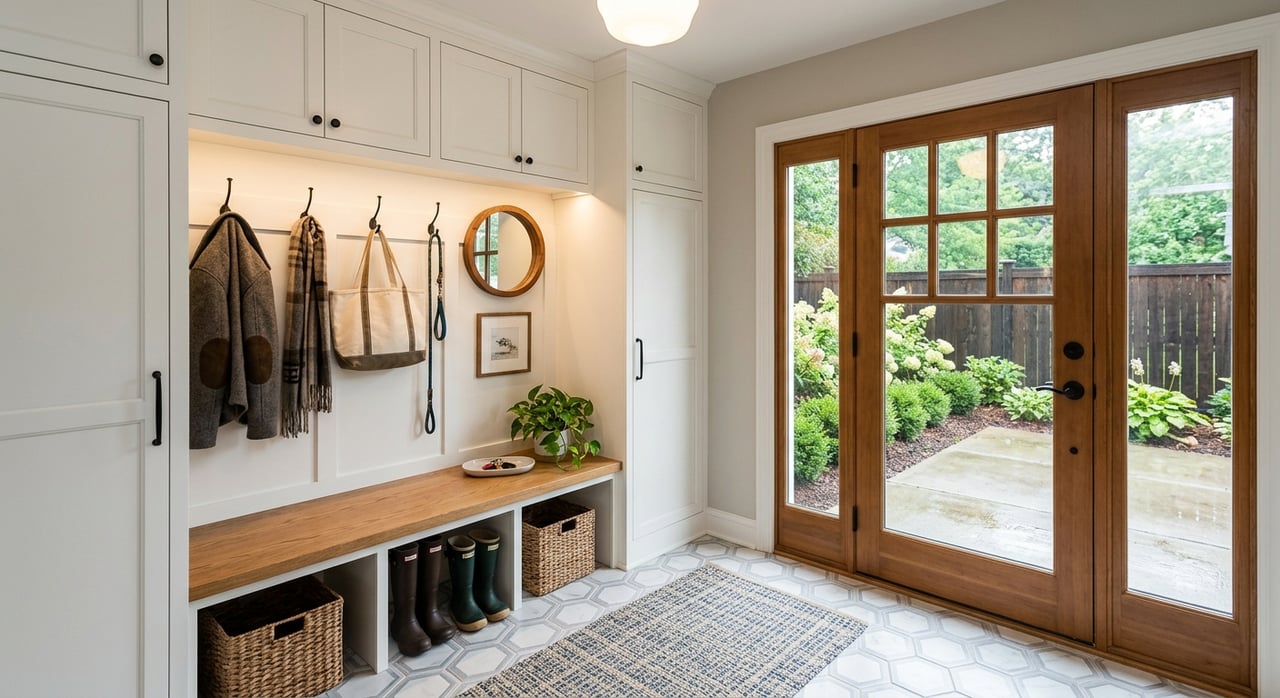
One of the most useful features in an Akron home is a mudroom or rear-entry drop zone. When snow, rain, and slush are part of local life, it helps to have a spot where wet boots, umbrellas, coats, and backpacks can stay contained before they reach the main living areas. Even a modest entry area can make a home feel more functional.
The best versions usually include a few practical details:
- Durable flooring that is easy to clean
- A bench for putting on or taking off boots
- Hooks for coats and bags
- Closed storage for seasonal gear
- Enough standing room to change comfortably
If you are comparing homes, pay attention to whether the entry works well during bad weather. A beautiful house can feel less convenient very quickly if there is nowhere to manage wet outerwear in January.
Finished basements that feel dry
In Akron, a finished basement can be a real bonus, but only if it feels dry, comfortable, and intentional. Below-grade spaces are especially vulnerable to moisture, and the U.S. Department of Energy notes that moisture control helps improve comfort, energy efficiency, and heating and cooling costs while also helping prevent mold growth.
That means buyers often respond more positively to a basement that feels solid and well-managed rather than simply renovated on the surface. Fresh flooring and paint are nice, but they do not matter much if the space still feels cool, damp, or musty.
What to notice in a basement
When you walk through a finished basement, look for signs that the space was designed for long-term use:
- A dry, comfortable feel
- No obvious musty odor
- Insulation paired with moisture-control strategies
- A layout that feels like true living space, not leftover square footage
According to the Department of Energy, an energy-efficient basement needs both insulation and moisture control. That can include drainage, vapor retarders, capillary breaks, and other foundation details. You may not see every hidden component during a showing, but the overall feel of the space often tells you a lot.
Insulation and air sealing you can feel
Some of the most important home features are the ones you do not immediately see. Insulation resists heat flow, and the Department of Energy says it lowers heating and cooling costs while improving comfort. It also notes that air sealing and moisture control are important to efficiency, health, and overall comfort.
In a place like Akron, those upgrades matter because the cold season is long enough for heat loss to become noticeable in everyday life. Rooms over garages, upper floors, and areas near older exterior walls can feel especially uneven if a home is not well insulated or air sealed.
Comfort clues during a showing
As you tour a home, try to notice comfort patterns, not just finishes. Ask yourself:
- Do some rooms feel colder or warmer than others?
- Does the upstairs feel very different from the main level?
- Are there drafty spots near windows or doors?
- Does the home seem likely to hold temperature well?
For homes in climate zone 5, the Department of Energy’s guidance points to deep attic insulation, substantial floor insulation, and added continuous insulation in wall assemblies. You may not have access to every construction detail, but homes with stronger insulation and air sealing often feel more stable and comfortable throughout the day.
Windows that support year-round comfort
Windows play a bigger role in comfort than many buyers expect. In colder northern climates, ENERGY STAR notes that lower U-factor products generally insulate better. Ohio’s code also requires fenestration U-factors and solar heat gain coefficient values to be documented, which shows how important window performance is in this region.
If a home has older windows, it does not always mean full replacement is the only path. ENERGY STAR notes that low-e storm windows can be a more affordable alternative when replacing windows is difficult. That can matter if you are considering an older or historic home and want to balance character with comfort.
ENERGY STAR also reports that replacing single-pane windows with ENERGY STAR certified models can lower household energy bills by up to 13% nationally. While actual savings vary by home, better window performance can support quieter interiors, fewer drafts, and more consistent indoor temperatures.
HVAC systems that keep up with Akron seasons
Heating and cooling equipment matters in every market, but in Akron it is especially important because your home needs to perform through both winter cold and summer heat. ENERGY STAR says high-efficiency heating and cooling systems are designed and installed to deliver better comfort, improved moisture control, better indoor air quality, and quieter operation.
Poor airflow can also create issues that buyers notice quickly. ENERGY STAR notes that airflow problems can increase utility bills, reduce comfort, and shorten equipment life. So when a home feels uneven from room to room, the issue may go beyond the thermostat setting.
Features buyers often appreciate
You may want to pay close attention if a home includes:
- A high-efficiency furnace or cooling system
- A heat pump that provides both heating and cooling
- A ductless mini-split heat pump for targeted comfort
- Smart thermostats that help manage energy use
- Evidence of balanced airflow throughout the home
The Department of Energy says heat pumps can provide both heating and cooling, and ENERGY STAR says ductless mini-split heat pumps can keep a home comfortable year-round. Smart thermostats can also help, with ENERGY STAR estimating savings of about $100 per year in homes with high heating and cooling bills or frequent vacancy.
Flexible indoor-outdoor spaces that work longer
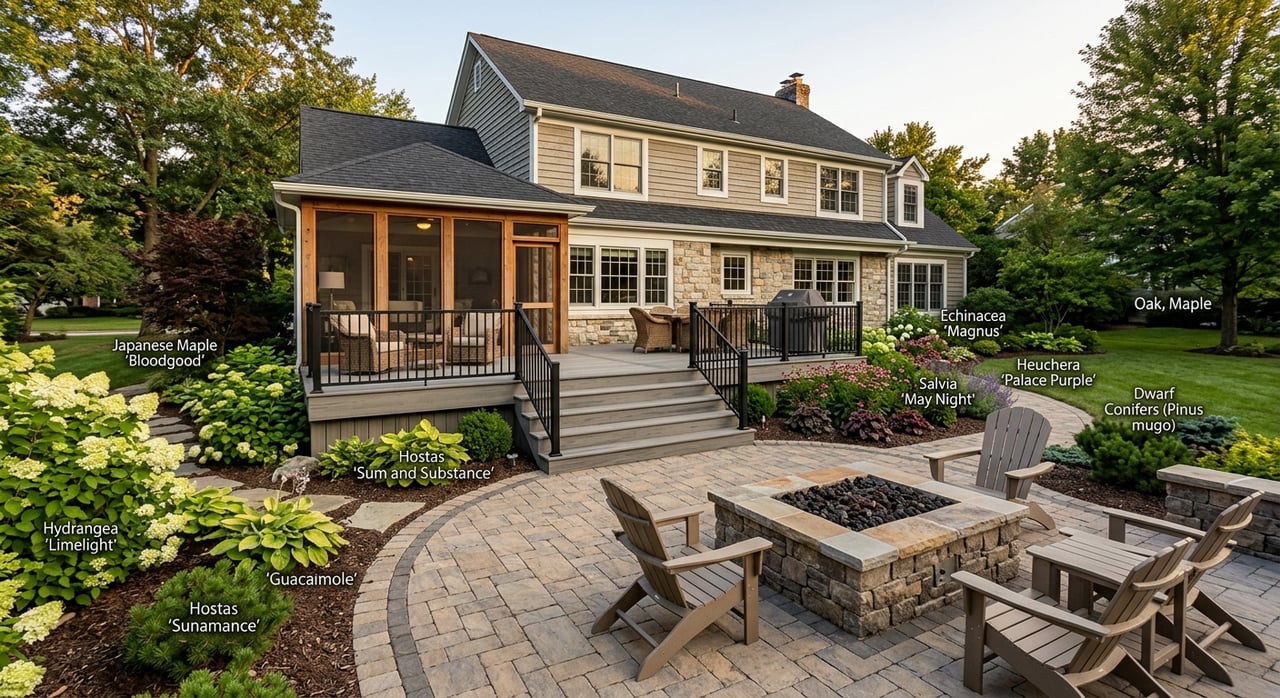
In a four-season market, outdoor living is often most appealing when it offers flexibility. A covered deck, screened patio, porch, or sunroom can be a great feature, but buyers usually see the most value when the space works well across changing weather conditions.
That does not mean every outdoor area needs to function as all-weather living space. In many cases, the appeal comes from having a seasonal bonus area that can be enjoyed during mild weather and offers some protection when temperatures or conditions shift.
What makes these spaces more useful
Look for spaces that feel adaptable and easy to use, such as:
- Covered decks that offer shade and light rain protection
- Screened porches that expand warm-weather use
- Sunrooms that feel more integrated with the home
- Enclosed or conditioned areas that extend usability further into colder months
In Akron, buyers often respond well to spaces that feel practical rather than purely decorative. A flexible indoor-outdoor setup can make a home feel more enjoyable across spring, summer, and fall, with some spaces remaining useful even longer if they are enclosed or conditioned.
Hidden upgrades can shape value
When buyers compare homes, the visible features usually get attention first. Kitchens, paint colors, and updated fixtures are easy to notice. But in Akron, hidden upgrades often have a major effect on how a home lives from one season to the next.
That is why it helps to connect those behind-the-scenes features to everyday problems you can actually feel. Wet entries, cold rooms, damp basements, and uneven temperatures often point to how well a home handles local conditions. A property that addresses those issues well may stand out more over time than one with flashier finishes alone.
What to prioritize when touring homes
If you are house hunting in the Akron area, it can help to bring a simple four-season checklist with you. Focus on features that support comfort, moisture management, and efficient daily living.
Here are a few smart items to keep in mind:
- Entry space for wet-weather gear
- Basement spaces that feel dry and usable
- Signs of solid insulation and limited drafts
- Windows that support comfort in colder weather
- HVAC systems built for both heating and cooling demands
- Outdoor spaces that offer flexible seasonal use
Homes that perform well in all four seasons often feel easier to live in from day one. They can also be easier to evaluate with confidence because the value is tied to practical function, not just appearance.
If you are weighing homes in Akron or nearby Summit County communities, a local perspective can make it easier to separate cosmetic updates from features that truly support year-round living. When you want practical guidance on what to look for and how different homes compare, Nancy Bartlebaugh is here to help.
FAQs
What four-season home features matter most to buyers in Akron?
- Akron buyers often appreciate practical features like mudrooms, dry finished basements, strong insulation, efficient windows, reliable HVAC systems, and flexible indoor-outdoor spaces that work well across changing weather.
Why are basements important in Akron home searches?
- In Akron, a finished basement can add useful living space, but buyers usually value it more when it feels dry, comfortable, and well planned because below-grade areas are more vulnerable to moisture.
How do Akron winters affect what buyers look for in a home?
- With January average temperatures around 35.5°F for highs and 20.3°F for lows, buyers often pay closer attention to insulation, draft control, window performance, and heating system quality.
Are older windows a deal breaker for Akron buyers?
- Not always. Older windows can affect comfort and efficiency, but some homes may benefit from improvements like low-e storm windows when full replacement is not practical.
What makes indoor-outdoor space appealing in Akron?
- In Akron, buyers usually like porches, covered decks, screened patios, and sunrooms that feel flexible and usable through more than just a short summer season.