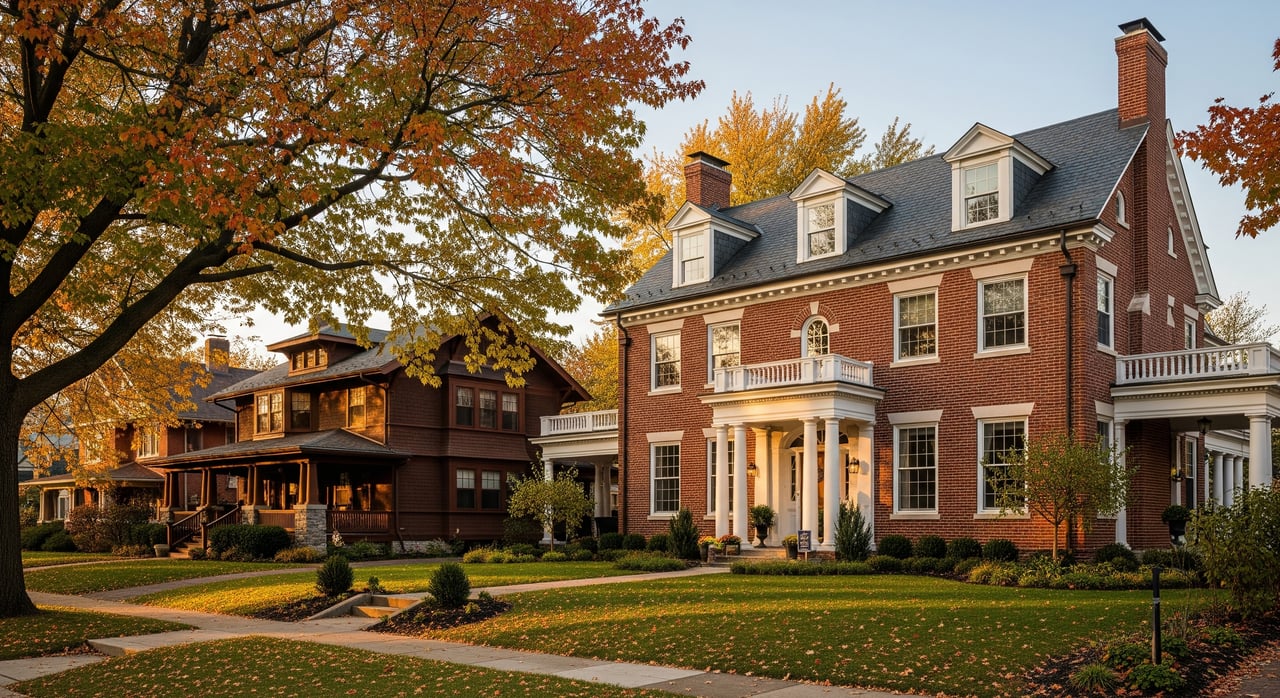
Scrolling Akron listings and wondering what you’re actually looking at? Those porch columns, rooflines, and window patterns tell you a lot about a home’s age, layout, and likely maintenance. In this guide, you’ll learn how to spot Akron’s most common home styles, when they were built, and what to watch for during showings and inspections. You’ll also get practical, climate-focused checklists for smarter decisions. Let’s dive in.
Why style matters in Akron
Your preferred style shapes daily living. Floor plans, room sizes, and storage all vary by era and design. Style also hints at the home’s systems and materials, which affects maintenance and energy performance.
Akron’s humid continental climate brings cold, snowy winters and warm, humid summers. That means roof, gutter, and flashing health, attic insulation and ventilation, solid masonry mortar, and dry basements are top priorities. Understanding style helps you target the right questions and plan realistic upkeep.
Quick style guide: Akron classics
Craftsman (about 1905–1930)
- How to spot it: Low-pitched gabled roofs, wide eaves with exposed rafters, tapered or square porch columns on sturdy piers, multi-pane-over-single-pane windows.
- Common materials: Wood clapboard or shingles, brick or stone details, older stone foundations.
- Layout feel: Compact rooms with built-ins and a central living area, often with a fireplace.
- Akron maintenance musts: Keep exterior wood trim and porches sealed to prevent rot where snow and ice sit. Watch roof and flashing at low-pitch areas, and check attic insulation and ventilation to reduce ice dams. Older stone foundations may need repointing or waterproofing; verify basement moisture management.
- Inspection red flags: Sagging eaves, water stains near eaves, extensive porch rot, knob-and-tube wiring, and uninsulated attics.
Bungalow (about 1905–1930)
- How to spot it: 1 to 1.5 stories with a broad front porch, simple lines, and dormers on many 1.5-story homes.
- Common materials: Wood siding, brick porch supports, asphalt shingles common in replacements.
- Layout feel: Efficient single-level living or a small upstairs, informal flow.
- Akron maintenance musts: Dormers and roof valleys collect snow, so keep gutters clear and flashing tight. Plan attic insulation upgrades with ventilation to avoid moisture build-up. Confirm grading and porch drainage move water away from the foundation.
- Inspection red flags: Narrow roof rafters, undersized porch footings, and chronic basement dampness.
Colonial Revival (1920s–1940s, later revivals)
- How to spot it: Symmetrical façade, centered front door with simple classical detailing, multi-pane double-hung windows, gabled roof.
- Common materials: Brick or wood clapboard; brick is common for durability in cold climates.
- Layout feel: Center hall with formal rooms on either side, more compartmentalized than open plans, full-height basements are common.
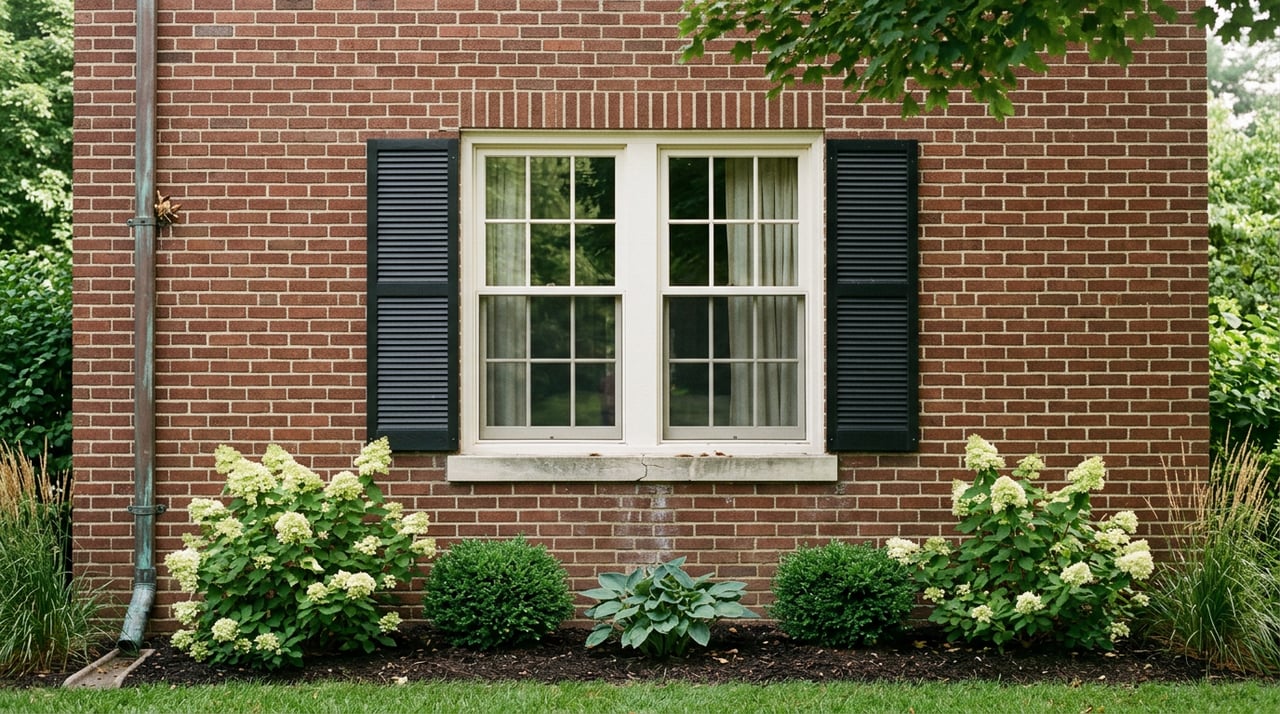
- Akron maintenance musts: Check brick mortar for freeze-thaw wear and schedule tuckpointing as needed. Inspect chimneys for flashing and crown issues. Original multi-pane windows are often single glazed, so consider storms or careful replacement for efficiency.
- Inspection red flags: Bulging brickwork, failing mortar joints, and water signs around window sills.
Cape Cod (1920s–1950s)
- How to spot it: 1 to 1.5 stories, steep gabled roof, often symmetrical. Dormers are common in later versions.
- Common materials: Wood clapboard or shingle, with some brick variations.
- Layout feel: Compact footprint with bedrooms often tucked under sloped ceilings upstairs.
- Akron maintenance musts: Dormer seams are frequent leak points, so inspect dormer flashing and roofing carefully. Improve attic insulation and ventilation to manage condensation and ice dams. Confirm perimeter drainage and check for older stone foundations.
- Inspection red flags: Water staining around dormers, minimal attic insulation, and upper-level egress constraints during renovations.
Tudor Revival (1920s–1940s)
- How to spot it: Steep roofs, decorative half-timbering, tall narrow windows, prominent chimneys, asymmetry, and sometimes arched doors.
- Common materials: Brick and stucco with half-timbered wood trim; slate or composite roofing may appear.
- Layout feel: Cozy, compartmentalized rooms with multiple rooflines and notable masonry chimneys.
- Akron maintenance musts: Repair stucco and half-timber joints to block moisture. Watch complex roof valleys and roof-to-wall transitions for leaks. Maintain decorative wood trim to resist rot in persistent moisture.
- Inspection red flags: Widening stucco cracks, leaking valleys, and deteriorating mortar at bases.
Ranch (1950s–1970s)
- How to spot it: Single-story form, low-pitched roof, wide footprint, attached garage, large picture windows.
- Common materials: Brick, wood siding, stone veneer accents, asphalt shingles.
- Layout feel: One-level living with more open areas than earlier styles; foundations range from slab to shallow basement.
- Akron maintenance musts: Identify the foundation type early. Slab foundations limit access to utilities and repairs. Keep long, shallow roofs and gutters clear to prevent water from pooling near the foundation. Consider energy upgrades for large single-pane windows.
- Inspection red flags: Sagging long roof spans, ponding water near the foundation, and outdated mechanical systems.
What to ask before you tour
- When was the roof last replaced and with what material?
- Any history of basement water, sump pumps, French drains, or flooding?
- Ages and updates for heating, cooling, and electrical systems?
- Any historic designation or exterior change restrictions?
- Records of structural repairs, pest treatments, or major renovations with permits?
Inspection priorities for Akron buyers
- Roof condition and any interior leak evidence, including attic stains.
- Flashing, gutters, and downspouts to control snow and ice.
- Foundation health and basement moisture control, including grading and drainage.
- Masonry mortar condition for brick and stone elements.
- Porches, soffits, and eaves for rot or sagging.
- Chimneys and flues, including crowns and caps.
- Window and door condition, especially older wood sills.
- Electrical system type and service size, watching for knob-and-tube or ungrounded wiring.
- Insulation levels and attic ventilation for ice dam prevention.
- Potential presence of lead-based paint or asbestos in older homes, especially if you plan renovations.
Maintenance and renovation costs to plan for
- Roof replacement cycles are common, especially on older low-pitch roofs. Slate and tile last longer but cost more to maintain.
- Masonry tuckpointing may be needed over time due to freeze-thaw cycles.
- Porch restoration on Craftsman and Bungalow homes can include structural work, not just paint.
- Window upgrades range from storm windows to historically sensitive replacements that balance efficiency and character.
- Mechanical system updates, including furnaces, electrical panels, and older plumbing, are typical for early and mid-century homes.
- Basement waterproofing may involve simple sump solutions or more extensive perimeter drainage.
Where to look by era
You’ll see early 20th-century styles like Craftsman, Bungalow, Colonial Revival, Tudor, and Cape closer to downtown and in older inner-ring areas. Postwar suburbs from the 1950s to the 1970s tend to feature Ranch and split-level homes. Always verify build years and neighborhood history through local property records and archives before you decide.
Smarter search keywords
- Craftsman or Arts & Crafts: exposed rafters, tapered porch columns, built-ins
- Bungalow: 1.5-story, dormer, large front porch
- Colonial or Colonial Revival: symmetrical, center hall, multi-pane windows
- Cape Cod: dormers, steep gabled roof, 1.5-story
- Tudor: half-timbering, steep roof, tall chimney
- Ranch: single-story, attached garage, picture windows
Local rules and records to check
Before you update a façade or add an addition, confirm whether the property sits in a historic district and whether exterior changes require review. Consult the City of Akron Historic Preservation Commission and the City of Akron building department for current rules and permits. Verify build year, ownership, and recorded improvements through Summit County property records. If you are exploring preservation-sensitive work, the Ohio Historic Preservation Office and National Park Service guidance can help with best practices.
Ready to compare homes in person?
If you are narrowing down styles or weighing maintenance trade-offs, our team can help you focus your search and plan for inspections with confidence. With deep Akron-area experience across early 20th-century homes and midcentury neighborhoods, we will help you spot the details that matter and move at your pace. Connect with Nancy Bartlebaugh to start your Akron home search today.
FAQs
What are the most common home styles in Akron?
- Early 20th-century Craftsman, Bungalow, Colonial Revival, Tudor, and Cape are common, along with midcentury Ranch homes from the postwar era.
How does Akron’s climate affect home maintenance?
- Cold winters and humid summers make roof, flashing, gutters, attic insulation and ventilation, solid masonry mortar, and dry basements top priorities.
What should I look for in older Akron homes?
- Focus on roof condition, attic ventilation, basement moisture control, masonry mortar, electrical system type, and window condition during showings and inspections.
Are historic homes harder to renovate in Akron?
- Rules vary by district; many updates are possible, but façade changes may need review, so check with the local historic preservation commission and building department.
How do I confirm a home’s build year and permits?
- Use seller disclosures, Summit County property records, and local permit records to verify build year and document major updates or renovations.
Which styles are easiest to live in for one-level convenience?
- Ranch homes offer single-level living by design, while many Bungalows and Capes have bedrooms upstairs in 1.5-story layouts.