Wonder what day-to-day life in Akron really feels like? Maybe you’re looking for great value, a manageable commute, and easy access to parks and culture without big-city stress. You want a clear picture of neighborhoods, schools, and the local job scene so you can decide with confidence. This guide gives you a practical, local view of living in Akron, from housing and transit to recreation and everyday essentials. Let’s dive in.
Akron at a glance
Akron is a midsize Northeast Ohio city with a compact downtown and a patchwork of historic neighborhoods that spread out across Summit County. You’ll find older homes with character, new infill near the center, and classic suburbs a short drive away. The overall cost of living is generally below the national average, largely thanks to more affordable housing. For many buyers and renters, that value is the first big draw.
You’ll also notice a strong local identity. Akron’s history as a rubber and tire hub shaped the city’s neighborhoods and economy. Today, health care, education, manufacturing, logistics, and professional services play a big role, with the University of Akron and area hospitals anchoring jobs and activity.
Neighborhoods and housing
Akron offers a range of settings, home styles, and price points. Your best fit depends on your lifestyle and priorities.
Downtown and center city
Downtown Akron has been adding renovated apartments, lofts, dining, and cultural venues. Parts of the core are walkable with entertainment and nightlife nearby. If you want a shorter commute to central employers or to be close to events and concerts, the center city can be a convenient base.
Classic city neighborhoods
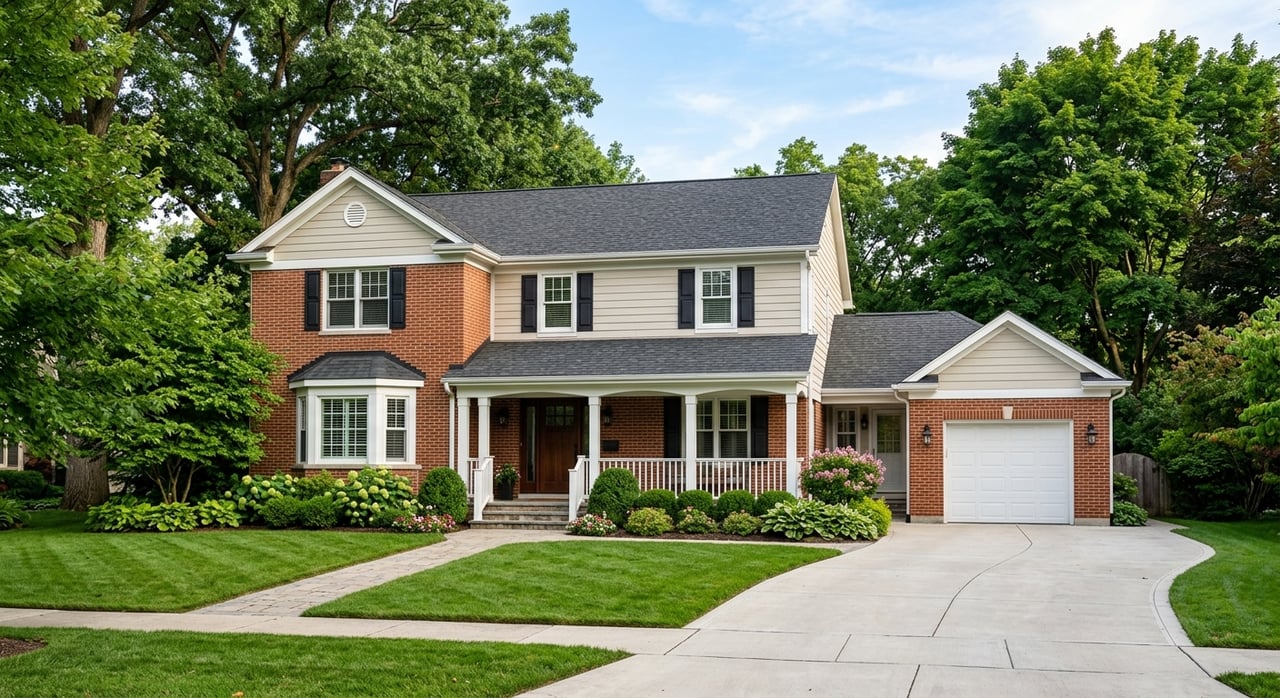
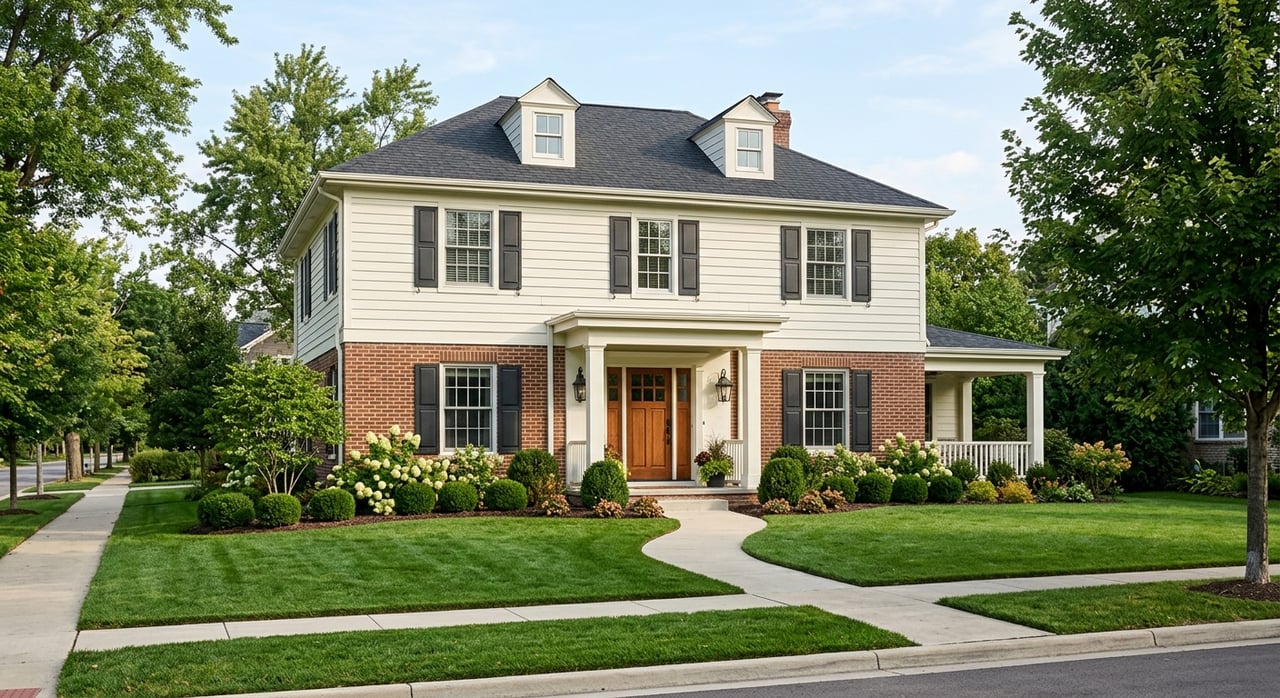
Areas like Highland Square, North Hill, and Firestone Park feature early 20th-century homes, from Craftsman and Victorian styles to sturdy brick houses. These neighborhoods often have active local businesses and community groups. If you appreciate historic character and a neighborhood feel, you’ll find many options here.
East and West Akron staples
Ellet, West Akron, and Goodyear Heights offer mid-century ranches, bungalows, and quiet residential blocks. These areas appeal if you want a more traditional neighborhood layout and access to local parks and shopping. As with many older properties, it helps to plan for updates and maintenance.
Suburban edges and nearby towns
Fairlawn, Copley, Bath, Hudson, Tallmadge, and Cuyahoga Falls sit on the suburban edge or just beyond. These communities often offer newer construction, larger lots, and suburban conveniences. Many families look to these areas for access to higher-rated public schools and a short drive to big-box shopping and business corridors.
Home styles and what to expect
You’ll see early 1900s homes, mid-century ranches, and newer suburban builds, plus some townhomes and small condo developments. Downtown includes conversions and loft-style apartments. Many homes have basements, which is common in Northeast Ohio.
Older homes may need modern updates like insulation, HVAC, electrical, or roofing. When touring, check basement moisture history, ask about recent improvements, and review utility costs to understand long-term ownership.
Smart neighborhood research checklist:
- Compare commute times to your job centers and daily errands.
- Review school options and ratings for your target addresses.
- Check recent crime maps and local reports to understand patterns.
- Verify floodplain status and ask about basement water history.
- Visit at different times to gauge traffic, noise, and activity.
Getting around and commute
Akron is car-oriented, and most residents rely on driving for daily trips. Interstates 77 and 76 intersect near the city and connect you to suburbs and neighboring metros. Commute times vary by neighborhood and time of day, with congestion near interstate ramps and busy suburban nodes during rush hour.
The METRO Regional Transit Authority runs local bus service in Akron and surrounding communities. Coverage and frequency are strongest in central corridors, with more limited service in outer suburbs. If you plan to use transit, review routes for your specific neighborhood.
Air travel is convenient, too. Akron-Canton Airport serves regional flights south of the city. Cleveland Hopkins International Airport is typically under an hour away by car, depending on traffic.
Mobility tips:
- Owning a car offers the most flexibility, especially outside central areas.
- Weigh highway access against walkability when choosing a home.
- If you split time between Akron and Cleveland or Canton, try different routes at your typical commute hours before you decide.
Weather and seasons
You’ll experience four distinct seasons. Summers are warm and humid, and winters are cold with snow. Seasonal swings influence daily life, from lawn care and outdoor plans to heating bills and snow removal.
Plan for winter-ready tires or all-season tires with good tread, a reliable heating system, and a snow shovel or service. Spring and fall are great for hiking and biking, and many local events cluster in these milder months.
Schools and education
Akron Public Schools serve the city, and options vary by neighborhood. Many families compare district performance and school choices when selecting a home. Suburban districts like Hudson, Copley, Stow-Munroe Falls, and Cuyahoga Falls are often higher rated and can attract residents who commute for schools.
For higher education, the University of Akron is a major presence with notable programs in polymer science and engineering. The university also contributes to local events, cultural programs, and research partnerships that benefit the region.
Healthcare and essentials
Akron is well served by major health systems and hospitals, including Summa Health and Akron Children’s Hospital. Access to specialty care is strong locally, and greater Cleveland’s medical centers are within an hour by car.
For everyday needs, you’ll find a mix of regional and national retailers, grocers, and local shops across the city and suburbs. City of Akron and Summit County agencies manage utilities, parks, and public safety services.
Parks, trails, arts, and food
Outdoor access is a standout benefit of living in Akron. Cuyahoga Valley National Park is right next door, offering the Towpath Trail, scenic river views, and miles of hiking and biking routes. Local metro parks like Sand Run and Cascade Valley provide trails and picnic areas. Portage Lakes offers boating and fishing, and you can enjoy canoeing or kayaking across several waterways.
Downtown’s Lock 3 Park hosts concerts, seasonal festivals, and a winter ice rink. Canal Park draws fans for minor league baseball. Throughout the year, you can catch performances at historic theaters, browse galleries, and enjoy university-sponsored events.
The dining scene blends long-running diners, ethnic eateries, and newer farm-to-table spots. Breweries and gastropubs have grown in step with regional trends. Warmer months bring farmers markets and food festivals across neighborhoods and nearby suburbs.
Jobs and the local economy
Akron’s roots are in rubber and tires, with companies like Goodyear shaping its growth and neighborhoods. Today the economy is more diverse. Health care, education, and manufacturing lead the way, with distribution, logistics, and professional services contributing to steady employment.
There is ongoing downtown revitalization, support for small businesses, and research and tech activity connected to polymer science and advanced manufacturing. Many residents work within Summit County, while others commute to Cleveland or Canton job centers.
Safety and peace of mind
Like many cities, Akron’s crime statistics vary by neighborhood and type of incident. Some areas and downtown corridors are more active and well-patrolled, while others report more issues. Your best approach is to review recent crime maps, read police department updates, and visit target areas at different times.
Safety planning tips:
- Look up neighborhood-level crime data and recent trends.
- Talk with neighbors and local community groups about daily life.
- Consider lighting, traffic patterns, and personal routines when you tour homes.
Practical moving and homebuying tips
Northeast Ohio’s housing stock includes many older homes, so inspections are key. Basements are common, and you should assess moisture, foundation conditions, and any past water mitigation. For insurance, verify floodplain designation and sewer backup coverage if you are near rivers or low-lying areas.
Winter moves can be challenging, so plan for flexible scheduling and weather backups. If you want shorter commutes and walkable access to events, consider central neighborhoods. If you prefer larger yards and a broader range of school choices, the suburban edges may suit you.
Pre-move checklist:
- Get a full home inspection with attention to roof, HVAC, electrical, and insulation.
- Ask for utility averages and maintenance records for older systems.
- Confirm floodplain status and any past basement water events.
- Test drive your commute during rush hour and off-peak times.
- Review school options for your exact address before you write an offer.
Is Akron a fit for your lifestyle?
If you want strong value, a practical commute, and easy access to nature and culture, Akron delivers. Outdoor enthusiasts love the national park and metro trails. Families often look to suburbs for school options and larger lots, while young professionals and downsizers enjoy the energy and convenience near downtown.
No matter what you choose, you can shape a lifestyle that balances affordability with amenities. With the right local guidance, you can find the neighborhood, home style, and daily rhythm that match your goals.
Ready to explore homes or compare neighborhoods in person? Connect with a trusted local team that knows Akron inside and out. Reach out to Nancy Bartlebaugh for responsive, client-first support from search to closing.
FAQs
What are the main neighborhoods in Akron?
- Downtown and the center city, Highland Square, North Hill, Firestone Park, Ellet, West Akron, and Goodyear Heights are key areas, with suburbs like Fairlawn, Copley, Bath, Hudson, Tallmadge, and Cuyahoga Falls nearby.
How is the cost of living in Akron compared to national averages?
- Overall costs, especially housing, tend to be lower than the national average, which is a primary reason many buyers and renters consider Akron.
What is commuting like in Akron and the suburbs?
- Most residents drive, with I-77 and I-76 providing access across the region; METRO RTA offers bus service in core areas, and commutes vary based on route and rush-hour traffic.
Are there good outdoor options near Akron?
- Yes, Cuyahoga Valley National Park, the Towpath Trail, Portage Lakes, and local metro parks offer extensive hiking, biking, boating, and year-round outdoor activities.
How are schools in Akron and nearby communities?
- Akron Public Schools serve the city with varying performance by school; many suburban districts are often higher rated, so families typically compare options for their target addresses.
What are the major job sectors in the Akron area?
- Healthcare, education, and manufacturing lead the local economy, with distribution, logistics, and professional services also providing employment across Summit County.