Feeling unsure about the difference between an appraisal and a home inspection? You are not alone. Many Akron buyers mix them up, which can lead to stress once you are under contract. In this guide, you will learn what each one does, who pays, how they affect your deal, and the common issues to expect with Summit County homes. You will also get practical timelines and tips so you can move forward with confidence. Let’s dive in.
Appraisal vs. inspection at a glance
- An appraisal estimates market value for your lender. It supports the loan decision.
- A home inspection evaluates the property’s condition for you. It supports your negotiations.
- Both are important, but they serve different goals and follow different rules.
What an appraisal does in Akron
An appraisal provides a licensed appraiser’s opinion of market value. The appraiser reviews recent comparable sales, the home’s size and features, its location, and its observable condition. The goal is to confirm the property is worth at least the loan amount.
Who orders and pays
The lender orders the appraisal and must follow appraisal-independence rules. You typically pay the appraisal fee as part of your loan costs. Appraisers follow USPAP standards, and government loans can have added requirements.
How appraisals affect price and financing
If the appraised value meets or exceeds the purchase price, your lender can fund the loan if you qualify. If the value comes in low, your options are to bring extra cash, renegotiate the price, ask your lender to reconsider if there are clear errors, or cancel if your contract allows. Sellers may agree to reduce price or offer credits to keep the deal moving.
FHA and VA notes
FHA and VA appraisals include minimum property standards. If safety issues are noted, repairs may be required before closing even when value supports the price. Plan time for any lender-required fixes.
What a home inspection covers
A home inspection is a top-to-bottom look at the home’s systems and safety at the time of the visit. Inspectors review the roof, exterior, attic, basement, foundation, plumbing, electrical, HVAC, and appliances. You receive a report with photos, notes, and next steps.
Who hires and pays
You hire and pay the inspector. Some sellers do a pre-listing inspection to reduce surprises, but most inspections are buyer-ordered.
Scope and limits
Inspectors do not open walls or perform destructive testing. Hidden issues may require specialists such as a structural engineer, sewer-scope contractor, HVAC technician, or pest professional. Use the inspector’s findings to decide if more testing is wise.
How inspections shape negotiations
Most Akron contracts include an inspection contingency. After you receive the report, you can request repairs, ask for a credit, accept the home as-is, or cancel within the agreed timeline. Your approach depends on issue severity and current market conditions.
How appraisal and inspection interact
These are separate processes with different goals. A clean inspection does not guarantee a high appraisal. A high appraisal does not guarantee the home is free of defects. If an inspection reveals a significant repair, the appraiser may reflect that in value. If an appraisal comes in low, both sides may need to renegotiate even if the inspection looked good. Budget time and funds for each step.
Typical Akron timeline
- Day 0: Offer accepted and contract signed.
- Days 1–3: You deposit earnest money, apply for the loan, and schedule the inspection. Inspection periods often run 5–10 days.
- Days 3–10: Inspection takes place, usually within a few days of acceptance. The report follows within about 1–3 days.
- Days 3–14: You review findings and negotiate repairs or credits, or you cancel under the contingency.
- Days 5–21: The lender orders the appraisal and schedules it. Reports typically return within a few days after the appraiser’s visit, depending on availability.
- After appraisal: If value is low, you renegotiate, bring cash, or consider contingencies. If value supports the price, the loan moves to final underwriting.
- Remainder: Seller repairs or credits are finalized, title work completes, you do a final walk-through, and then closing.
Common Akron findings to expect
Summit County has a wide range of homes, including many built before 1960. Older properties can be charming, but they often need updates.
Basements and moisture
Moisture is common in Northeast Ohio basements. You may see dampness, efflorescence, or sump pumps. Look closely at grading, gutters, and downspouts to help manage water.
Foundations and masonry
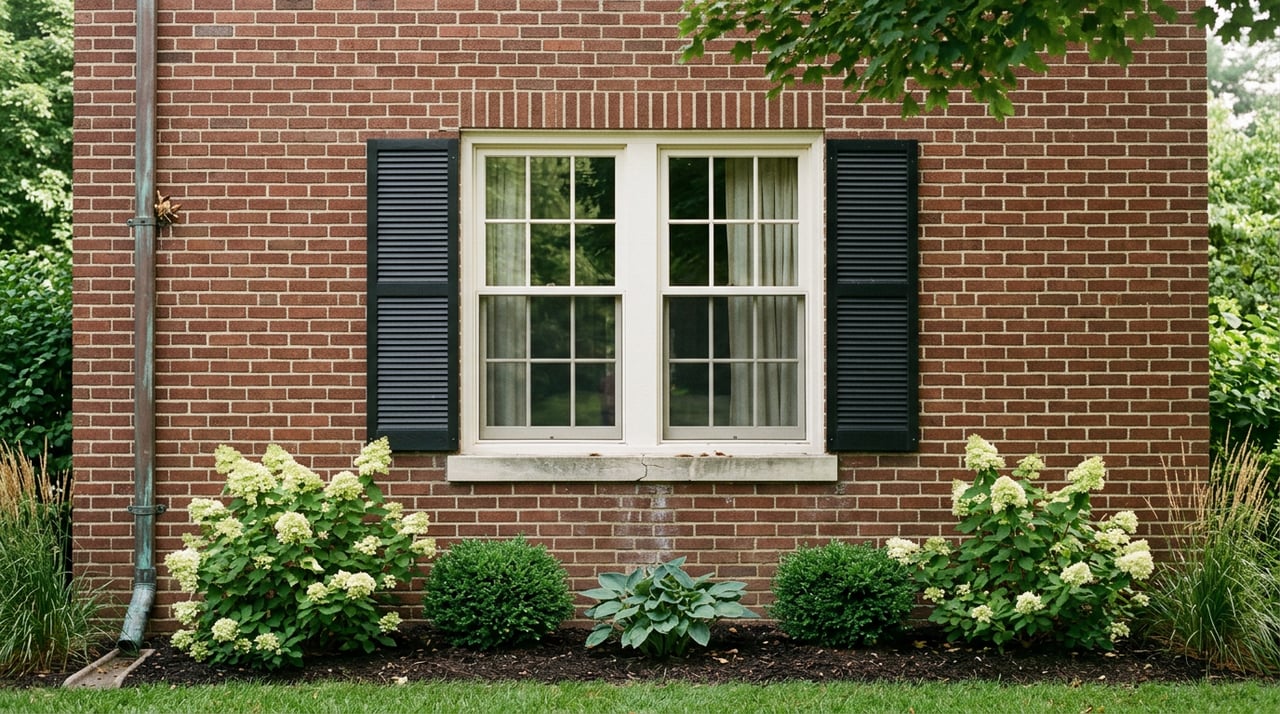
Stone or block foundations can show movement or mortar wear. Brick facades and porch steps sometimes have settlement cracks. Local soils can contribute to shifting, so note any stair-step cracking or bowing.
Roofing and gutters
Older roofs and missing flashing are typical in aging housing stock. Clogged gutters can push water toward the foundation. Roofs near end-of-life can affect both negotiations and appraised value.
Electrical systems
Some older homes still have fuse boxes, outdated panels, or limited grounded outlets. Very old properties may have knob-and-tube wiring in place. Inspectors flag safety concerns, and appraisers note functional age and marketability.
HVAC and mechanicals
Furnaces, boilers, and air conditioning systems vary widely in age and performance. Non-functioning equipment and very old systems raise repair discussions and may factor into value.
Lead paint and asbestos
Homes built before 1978 may contain lead-based paint. Older materials like some flooring and duct insulation can contain asbestos. Your inspector can suggest safe next steps if risks are suspected.
Sewer laterals and drainage
In many areas, homeowners are responsible for the sewer line from the house to the main. In older neighborhoods, a sewer scope is a smart add-on. Poor grading or heavy storms can increase the chance of basement water.
Radon
Parts of Ohio have elevated radon potential. Consider adding a radon test to your inspection package and plan for mitigation or credits if levels are high.
How condition can influence value
Visible defects and deferred maintenance can decrease the appraised value. Appraisers adjust for condition and may use comparable sales that reflect cost to cure. Very old mechanicals, single-pane windows, or unpermitted improvements can reduce marketability and affect adjustments.
Smart strategies for Akron buyers
- Budget separately for both the appraisal and inspection. The appraisal fee goes through your lender, the inspection fee goes to your inspector.
- Schedule the inspection right after contract acceptance to leave time for follow-up tests and negotiation.
- Attend the inspection. Seeing issues firsthand helps you plan repairs and maintenance.
- Prioritize health, safety, and major systems when requesting repairs or credits. Cosmetic items carry less weight.
- Know your plan if the appraisal is low. Decide in advance how much extra cash you can add and what you need from the seller to keep moving.
Practical tips for Akron sellers
Consider a pre-listing inspection to surface issues and support realistic pricing.
Fix obvious safety and water-intrusion items where practical. These often spook buyers and can impact value.
Gather receipts, permits, and warranty documents for recent work. Clear records help appraisers and build buyer confidence.
When to bring in specialists
- Sewer scope for older homes or when backups are suspected.
- Radon testing as part of your inspection package.
- Structural engineer if the inspector notes significant foundation or framing concerns.
- HVAC, pest, or moisture specialists for targeted evaluations.
- Lead-based paint risk assessment for pre-1978 homes if needed.
Final thoughts
When you separate value from condition, the process makes more sense. The appraisal protects the lender by confirming market value. The inspection protects you by revealing the home’s condition. Plan for both, follow a clear timeline, and negotiate based on facts. If you want local guidance from offer to closing, connect with a team that knows Akron housing inside and out. Reach out to Nancy Bartlebaugh to map out your next steps.
FAQs
What is the key difference between an appraisal and an inspection?
- An appraisal estimates market value for your lender, while an inspection evaluates the home’s condition for your decision-making and negotiations.
Who pays for the appraisal and the inspection in Summit County?
- Your lender orders the appraisal and you usually pay the fee; you hire and pay the home inspector separately.
What happens if my Akron home appraises below the contract price?
- You can add cash, renegotiate price or credits, request a reconsideration if there are clear errors, or cancel if your contingency allows.
Do FHA or VA appraisals require repairs before closing?
- Yes, if the appraiser notes safety or minimum property standard issues, repairs may be required even when value supports the loan.
How long do appraisal and inspection steps usually take locally?
- Inspections typically occur within the first week and reports follow in 1–3 days; appraisals are ordered by the lender and often return within 1–2 weeks, depending on scheduling.
Should I test for radon when buying in Akron?
- Yes, consider radon testing as part of the inspection package, and plan for mitigation or credits if levels are elevated.