Thinking about moving to Akron but shopping from a distance? You are not alone. Many buyers want Northeast Ohio’s mix of value, jobs, and outdoor access without the stress of hunting from out of state. In this guide, you’ll learn what homes cost, where to look, how Ohio closings work, and smart steps to buy with confidence from afar. Let’s dive in.
Why Akron works for relocators
Akron offers a rare blend of affordability, major employers, and quick access to parks and culture. Healthcare and education anchor the local economy. Summa Health reports 8,500-plus employees and multiple regional campuses, which creates steady demand around medical corridors and central neighborhoods. You can confirm scope and locations on the Summa Health overview.
Cleveland Clinic Akron General also operates a major teaching hospital downtown. Learn more from the Cleveland Clinic Akron General newsroom. The University of Akron, Goodyear and other large employers round out the job base. City documents list these institutions among principal employers for the region, which helps explain the steady rental and buyer interest near campus and core job centers. See a reference example in the City of Akron’s Annual Informational Statement.
For lifestyle, Cuyahoga Valley National Park sits next door. You get miles of the Towpath Trail, waterfalls, and the summer concert scene at Blossom Music Center. Explore the park via the Cuyahoga Valley National Park brochure. Closer to home, Summit Metro Parks ties neighborhoods together with local trails and seasonal programs. Read about the system’s scope on Summit Metro Parks.
Housing snapshot and prices
Akron’s city market trends more affordable than many larger metros. Pricing varies by data provider and timing, so it is best to note the source and date:
- Akron city median sale price: about $139,900 (Realtor.com, Dec 2025). Redfin’s February 2026 snapshot showed a lower median near $123,000, while Zillow’s ZHVI places the average Akron home value in the low to mid $130,000s.
- Summit County median sale price: roughly $195,000 (Realtor.com, Dec 2025), which reflects higher values in many suburbs.
As a quick planning rule of thumb, typical Akron city starter homes often list in the low $100,000s, while popular nearby suburbs often average from the high $200,000s into the $400,000s, depending on age, size, and location. Always align your budget to current, local market updates before you start touring.
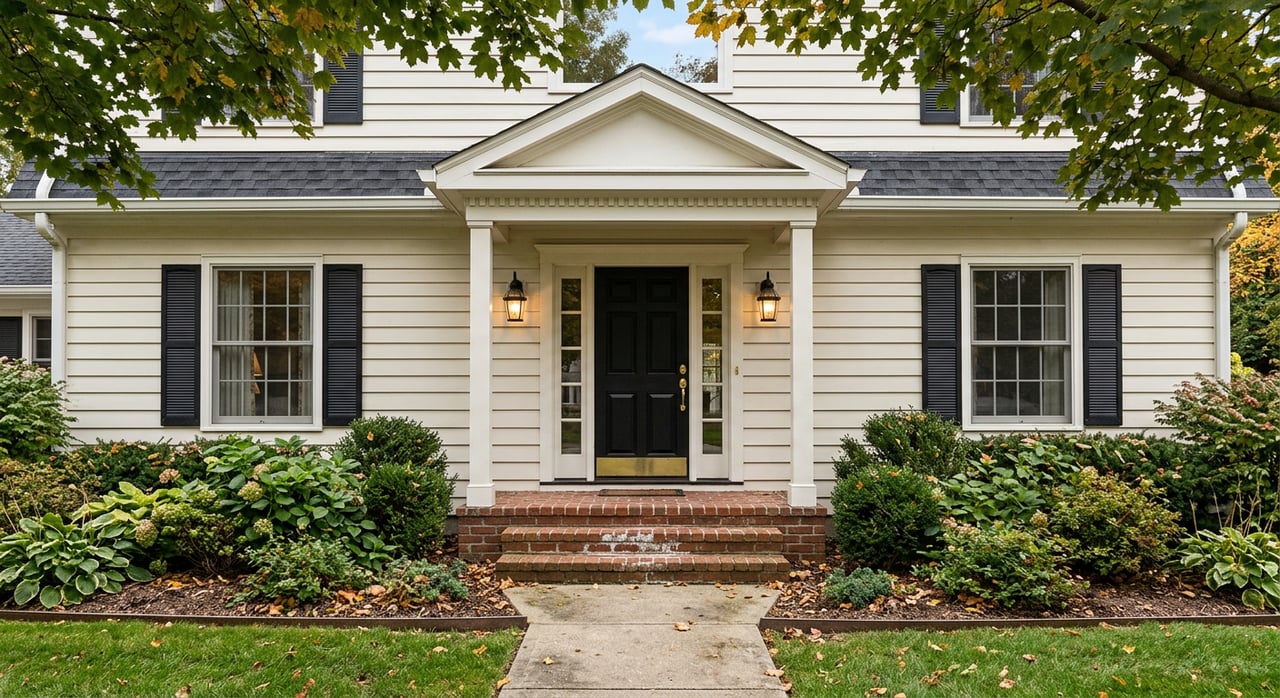
Akron’s housing stock also skews older inside city limits, with many early 20th‑century bungalows, foursquares, and Tudor or Craftsman styles. That is great if you love character homes or want a fixer opportunity. If you prefer newer builds and larger lots, many suburbs nearby will fit better. A public health report for Summit County notes the region’s significant share of older housing, which can inform inspection planning and renovation goals. See the summary in the county’s Community Health Assessment.
Where to live: a quick shortlist
Downtown and near downtown
If you want walkability to events and restaurants, look near central Akron. You will find condos, loft conversions, and select infill homes close to Lock 3 events, the Civic Theatre, and the Akron Art Museum. For a feel of the cultural core, check the Akron Art Museum visitor page.
Best fit: Buyers who want urban conveniences, shorter commutes to central hospitals and the university, and lower-maintenance living.
Historic and inner‑ring neighborhoods
- Firestone Park: Early 20th‑century homes, from bungalows to colonials, on established streets. Many buyers look here for approachable pricing and vintage character.
- Goodyear Heights, Kenmore, North Hill, Ellet: A mix of modest single‑family homes and Craftsman‑era styles. Some pockets are more walkable to local businesses; others feel more residential. Inventory often varies street by street, so plan to compare options within each area.
Best fit: Buyers seeking value, character homes, and locations that balance neighborhood feel with quick access to downtown or major job centers.
Close suburbs and commuter options
- Copley, Fairlawn, Stow, Hudson, Cuyahoga Falls, Bath: These communities tend to offer newer construction, larger lots, and a range of neighborhood settings. Median prices are usually higher than central Akron. Many buyers also research local school districts in these areas. For objective information, review official district pages and Ohio’s public report cards to compare programs and boundaries.
Best fit: Buyers who prioritize larger yards, newer homes, and a suburban setting within a reasonable drive of hospitals, the University of Akron, and regional employers.
Health care access and services
Access to specialty and emergency care is a frequent relocation concern. Akron is home to multiple hospital systems with extensive services:
- Summa Health operates hospitals and outpatient centers across the region. See scope and locations on the Summa Health overview.
- Cleveland Clinic Akron General anchors a major teaching hospital downtown. Read more at the Cleveland Clinic Akron General newsroom.
- Akron Children’s also serves the area with pediatric care and specialties.
This network gives you multiple options for routine and critical care within a short drive of most neighborhoods and suburbs.
Parks, trails, and culture
Cuyahoga Valley National Park borders the metro, with the Towpath Trail, Brandywine Falls, and scenic rail experiences that are easy to access from Akron. Get an at‑a‑glance view of the park via the CVNP brochure. Summit Metro Parks adds local trails, lakes, and programs that connect city, inner‑ring, and suburban neighborhoods; learn more at Summit Metro Parks.
Cultural anchors include the Akron Art Museum, the historic Akron Civic Theatre, Lock 3 events, Stan Hywet Hall & Gardens, and regional concerts at Blossom Music Center. Together, they create a year‑round calendar of exhibitions, performances, festivals, and outdoor fun.
How to buy from afar in Ohio
Relocating buyers can complete a purchase with limited travel by combining virtual showings, thorough inspections, and coordinated title work. Here is what to expect.
Ohio’s seller disclosure
Ohio requires most home sellers to provide a Residential Property Disclosure Form that covers known material facts like water and sewer, roof and foundation, mechanical systems, and environmental conditions. You should receive and review this before entering a binding contract in most residential deals. See the implementing rule for the official form at the Ohio Administrative Code.
Typical purchase timeline
While every transaction is unique, a common sequence looks like this:
- Mortgage pre‑approval if you are financing.
- Targeted search using live video tours and on‑the‑ground feedback.
- Written offer and earnest money.
- Seller disclosure review and questions.
- Whole‑home inspection plus any specialty checks (roof, HVAC, sewer scope, radon) as needed.
- Title search, lender underwriting, and appraisal.
- Closing with title and recording.
Financed purchases often take about 30 to 45 days from accepted offer to closing, depending on the lender, appraisal speed, title findings, and your readiness.
Remote closings and notarization
Ohio permits Remote Online Notarization, which can make distance closings easier when combined with e‑signatures. Acceptance and workflow vary by county, lender, and title company, so confirm early in the process. For background, see ALTA’s update on Ohio RON adoption: Ohio Remote Online Notary Legislation Goes Into Effect.
Distance‑buyer checklist
- Hire a responsive local buyer’s agent who is experienced with relocations and virtual showings.
- Secure a full mortgage pre‑approval to strengthen your offer and keep timelines realistic.
- Schedule a whole‑home inspection, then add specialty inspections as needed: roof, HVAC, sewer scope, radon.
- Confirm your title company’s support for e‑signing and RON, and whether the county accepts e‑recording.
- Practice wire‑transfer safety. Always call your title company at a known, verified number before sending funds.
- Plan a quick 24 to 72‑hour visit to see finalists in person when possible. If you cannot travel, request an inspector or trusted third party to provide a detailed video walk‑through and keep a strong contingency window.
Closing costs at a glance
Budget for lender fees, appraisal, title search and title insurance, recording and conveyance fees, prorated property taxes, and settlement charges. Exact amounts and who pays what depend on your contract and local custom. A practical estimate for buyers is 2 to 5 percent of the purchase price, adjusted for your loan type and negotiations.
Tips for shortlisting homes from afar
- Clarify must‑haves vs nice‑to‑haves. For example, decide early if you want an older character home or prefer newer construction.
- Plan around home age. Akron’s city housing is often early 20th‑century stock. That can mean charming details and also potential updates. Build inspections and possible upgrades into your budget. The Summit County Community Health Assessment notes the area’s older housing profile.
- Use a focused search day. Line up back‑to‑back virtual tours, then debrief with your agent to refine the list.
- Consider location anchors. Proximity to medical campuses, the University of Akron, and major parks can influence long‑term demand and your day‑to‑day routine.
Ready to explore homes with a team that knows every corner of Summit County and the surrounding areas? Connect with Nancy Bartlebaugh for local guidance, on‑the‑ground video tours, and a smooth distance purchase.
FAQs
How expensive is Akron compared to the Cleveland area?
- As of Dec 2025, Realtor.com shows Akron’s median near $139,900, and nearby Summit County around $195,000. Many Cleveland‑area suburbs trend higher, but it varies by community and time frame. Always check current data by provider and date.
Are there walkable neighborhoods in Akron for newcomers?
- Yes. Downtown and near‑downtown areas, Highland Square, and parts of North Hill and University Park offer more walkable options near restaurants, events, and the Akron Art Museum.
What should out‑of‑state buyers insist on in Ohio?
- A full home inspection with any needed specialty checks, a clear title search, the required Residential Property Disclosure Form, and confirmation that your lender and title company support secure remote notarization when needed. See the Ohio Administrative Code form rule and ALTA’s RON overview.
Can I close remotely on a home in Summit County?
- Often yes. Ohio permits Remote Online Notarization, but availability depends on your lender and title company. Confirm early so your closing plan matches their process. See ALTA’s Ohio RON update for context.
How long does it take to close on a home when relocating?
- Many financed purchases close in about 30 to 45 days after an accepted offer. Timelines vary with appraisal speed, title findings, and your loan type.
Where can I learn about parks and outdoor options near Akron?
- Start with the Cuyahoga Valley National Park brochure and Summit Metro Parks for trails, events, and maps that cover the region.