Open three tabs and search Firestone Park home prices. One site tells you the median is $135,000. Another says $154,000. A third splits the difference at $139,900. Days on market swings even harder, from 11 days to 36 days depending on which tab you trust. If you are comparing Akron neighborhoods and Firestone Park keeps showing up with a different price tag every time you look, you are not imagining it, and you are not doing the research wrong.
The gap is real, and it is not a data error. It is the neighborhood telling you something the median can't say on its own.
What the Sites Actually Say
Here is the spread as it stood heading into late summer 2026:
| Source | Metric | Time Window | Figure |
|---|---|---|---|
| Redfin | Median sale price | February 2025 | $135,000, down 0.8% year over year |
| Redfin | Price per square foot | February 2025 | $108, down 10.3% year over year |
| Homes.com | Median sale price | Trailing 12 months | $139,900 to $140,000, up 4% year over year |
| Movoto | Median list price | July 2026 | $154,000, flat year over year |
| Movoto | Price per square foot | July 2026 | $112, down 4% year over year |
| NeighborhoodScout | Median real estate value | Current estimate | $134,554 |
Notice that two of these sources do not even agree on direction. One shows the neighborhood appreciating. Another shows it softening. That is not a rounding difference. That is two different markets being described with the same neighborhood name.
Why the Numbers Don't Match
Part of this is simple methodology. Redfin's figure is a closed-sale median from a single month over a year ago. Homes.com is blending twelve months of closings. Movoto is quoting what sellers are asking right now, not what buyers are actually paying, which is why its number runs highest. Days on market tells the same story from a different angle: a metric built from active listings will always look faster than one built from completed sales, because it never has to wait for the slow ones to close.
But methodology only explains part of the gap. The rest comes from the neighborhood itself.
A Neighborhood Built to Be Uneven
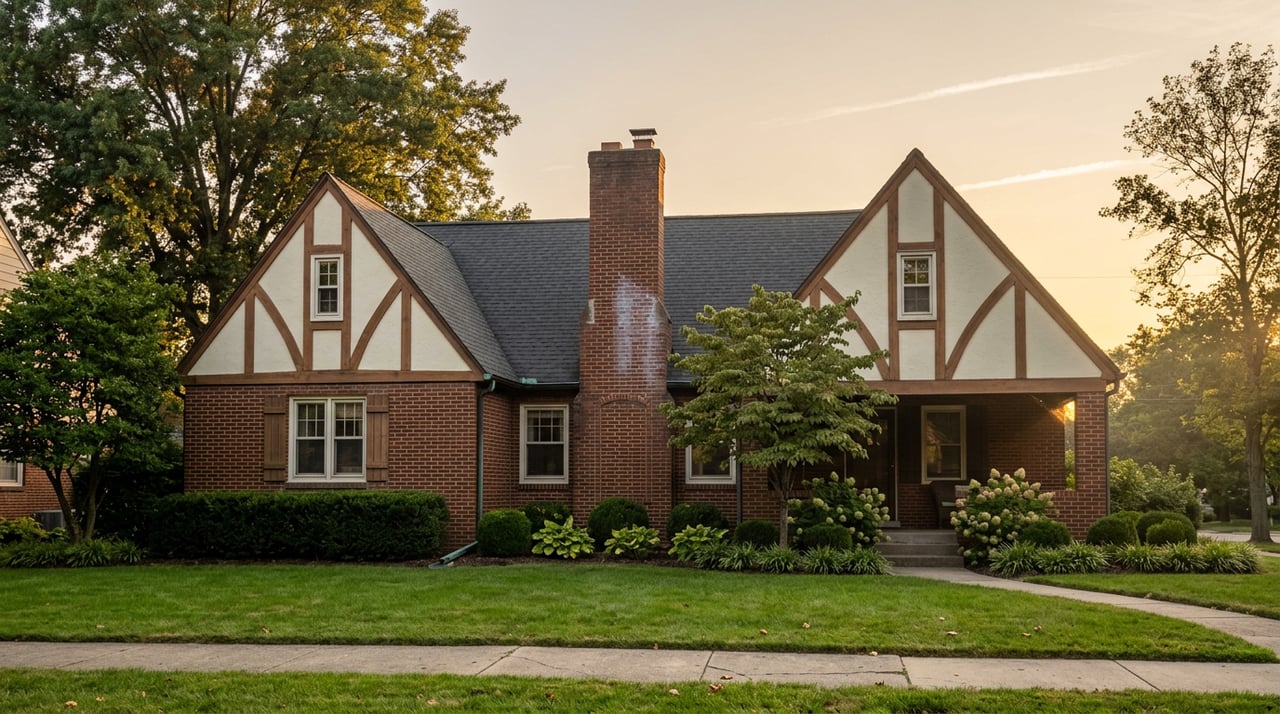
Firestone Park was not planned as a single price tier. It was built in 1915 when Harvey Firestone purchased 1,000 acres south of downtown Akron and put up 600 homes in a single year, a construction pace that drew attention at the time. Firestone and his rival across town, Goodyear's Frank Seiberling, were racing to house rubber workers, and Firestone's version of that race intentionally mixed housing styles for a variety of income levels rather than building one tier of worker housing.
That mix is still standing. Drive the blocks around the park today and you will pass:
- Cape Cods
- Bungalows
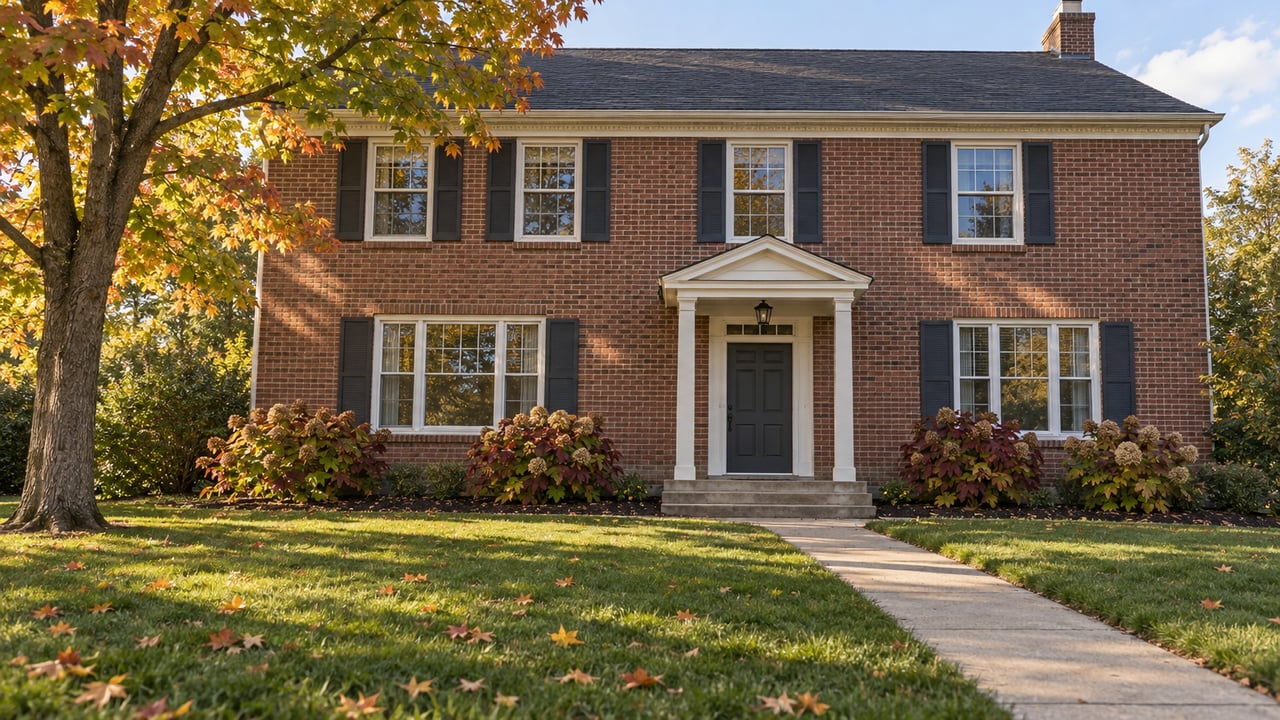
- Colonial Revivals
- American Foursquares
- English Tudors
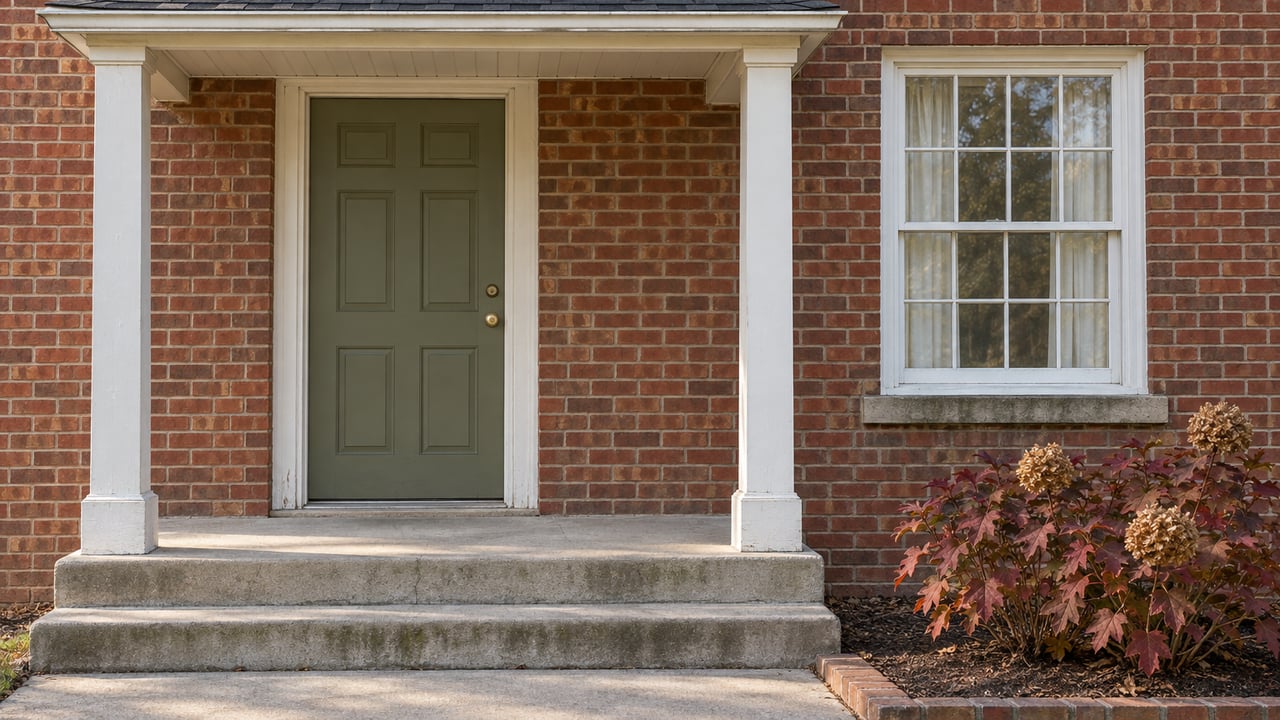
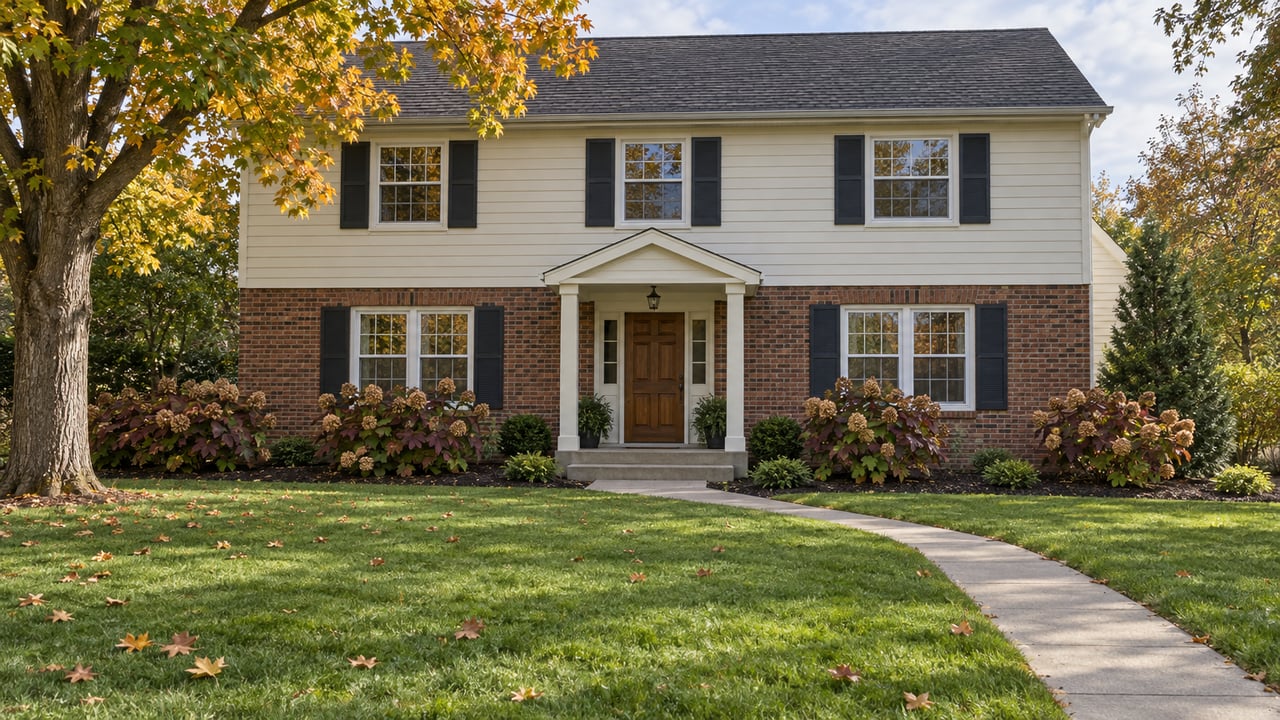
built across the 1920s through the 1940s, often on the same street, at genuinely different sizes and price points from the start. A neighborhood designed to hold several income tiers at once was never going to produce one clean median. It produces an average that blends a modest starter bungalow a few blocks from a vacant commercial site with a larger colonial facing the park itself, and calls the blend a single number.
As Signal Akron reported, one longtime resident described watching that texture erode on the commercial side even as the housing stock held its character, recalling that Aster Avenue once held "a theater, bakery and pharmacy within the district" that have since consolidated or closed. The homes didn't change. What surrounds them did, block by block, which is exactly why a neighborhood-wide median flattens out real differences a buyer would notice on a single drive through.
What's Moving in Firestone Park Right Now
If you're comparing Firestone Park to other Akron neighborhoods this year, three neighborhood developments and conditions matter more than the median itself, because they are affecting value unevenly across the neighborhood rather than lifting it uniformly.
Heintz Hillcrest Park just won real money. In May 2026, Mayor Shammas Malik announced Heintz Hillcrest Park, at 1780 Highview Avenue, as the winner of the 2026 Akron Parks Challenge, the first Ward 7 park to take the prize. That means $150,000 in city-funded improvements, planned with input from the resident group Friends of Firestone Park, covering new entrance signage, landscaping, native fruit trees, additions to the Little Free Library, and a new teen play area. Homes within walking distance of that investment are sitting on a different trajectory than homes several blocks away.
The old Firestone Plant 1 building is coming down, mostly. The 1910 factory at 1200 Firestone Parkway, listed on the National Register of Historic Places since 2014, sat unsold for years due to asbestos and contamination. In April 2026 the city advanced a plan to demolish most of the structure while salvaging the clock tower and historic brick for an on-site memorial. As Mayor Malik put it when the plan was announced, "this approach allows us to carry forward the history of this site in a tangible way." That's a different signal for the neighborhood's northern edge than the park investment sends to its center.
The former IGA site remains vacant. At 1028 Hammel Street, a 15,000-square-foot former grocery store on more than an acre and a half has sat vacant; as of an April 2026 Ward 7 council update, its owners had filed for another extension. The vacant commercial parcel is one factor to consider when evaluating a nearby listing.
Street resurfacing is also expected to reach the neighborhood in the weeks following a late July 2026 city council update and wrap up by the end of September.
Two Corridors, One Zip Code
The commercial side of Firestone Park splits the same way the housing stock does. Waterloo Road, which forms the neighborhood's southern boundary, carries the daily-use retail: a Giant Eagle supermarket, Mi Casa for Mexican food, Hyde Out for late-night Japanese. Aster Avenue, a few blocks north, runs quieter, anchored by smaller operations like A Walk In The Park Café and the Boardwalk Sales thrift store.
A home a short walk from Waterloo Road's grocery and dining options is a different daily-life proposition than a home tucked near Aster Avenue's quieter, more residential feel, even if both show up under the same "Firestone Park" label on a listing site. Neither is better. They are different products being sold under one name, which is the same problem the pricing data has.
What This Means If You're Comparing Neighborhoods
If Firestone Park is on your shortlist against neighborhoods like Kenmore, Ellet, or Goodyear Heights, treat the median as a starting question, not an answer. Before you compare Firestone Park's number to anywhere else, ask:
- Is this home within walking distance of the park itself, or closer to a vacant commercial site like the Hammel Street property?
- Which architectural tier is this specific house, a smaller Cape Cod or bungalow, or a larger Foursquare or Tudor built for a higher original income bracket?
- Is the listing price I'm looking at an active ask, like Movoto's July 2026 figure, or a closed sale, like the trailing medians from Redfin and Homes.com?
Those three questions will tell you more about what you're actually buying than any single median on a portal homepage.
FAQ
Is Firestone Park's home value going up or down right now? The honest answer is that it depends on which slice you're measuring. Redfin's closed-sale data from early 2025 showed prices per square foot down double digits year over year, while Homes.com's trailing twelve-month median showed a 4% gain. Both can be true at once in a neighborhood with this much internal variation.
Does the old Firestone Plant 1 demolition affect nearby home values? It's too early to say with certainty, since the salvage and demolition plan was only advanced in April 2026 and the timeline for completion hasn't been finalized. What's clear is that a resolved, memorialized site is generally a better neighbor than a vacant, contaminated one, which is the direction the city is heading.
Why do some listings mention Firestone Park and others mention Ward 7 or specific street names? Long-time residents have noted that the boundaries of what counts as Firestone Park shift over time as city planners redraw ward maps, so you may see slightly different neighborhood labels depending on the source and the year.
If you are weighing Firestone Park against other Akron neighborhoods and want someone who can walk the actual blocks with you instead of just the median, Nancy Bartlebaugh and the Bartlebaugh Team know which streets sit closest to the park investment, which face the vacant commercial site, and which price range you are really shopping in once you look past the number on the screen. Let's Connect.